


Ravenhill: Find Hidden Objects
4.45.37K Reviews
App Specs
- Version
- 2.44.2
- Updated On
- License
- Free
- Downloads
- 1,000,000+
- Developer
- Mytona
- Categories
- Adventure
- Platform
- Android, iOS
Screenshots

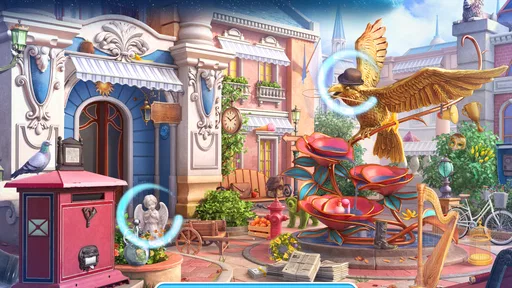

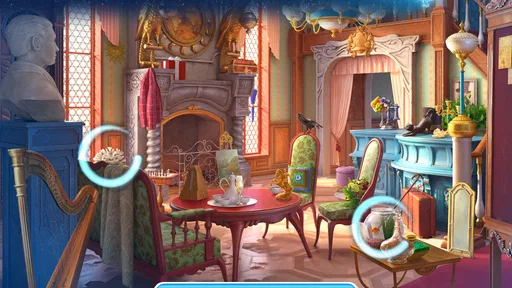
 Analysis by AppCompare
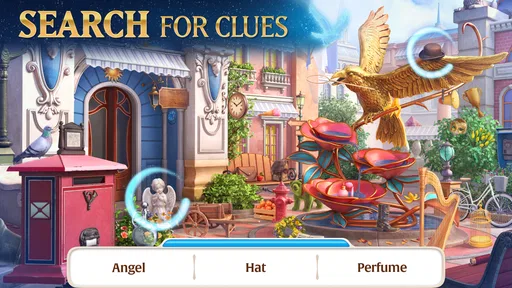
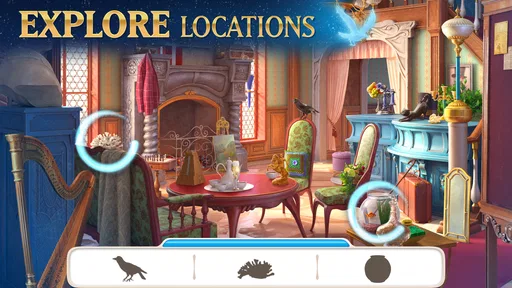
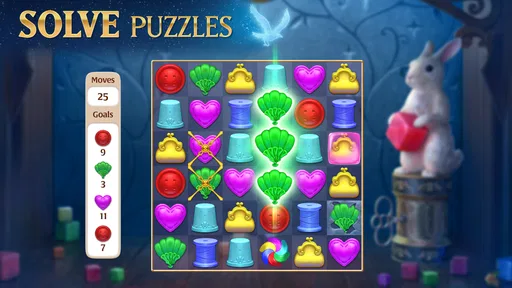
I judge a hidden-object game by what it asks me to do between scenes, how satisfying it is to look closely, and whether its story gives those searches a reason to matter. Ravenhill: Find Hidden Objects mixes scene searches with match-3 puzzles and a city mystery, so it sits between a focused seek-and-find game and a broader adventure. That combination is its main draw, but it also means it is not the best fit if you want nothing but uninterrupted object hunts.
For a quick break, the appeal is easy to understand: scan a picture, spot the requested items, and make progress in a larger mystery. I’d choose it when I want a game that rewards patience and observation rather than fast reactions. If I’m in the mood for a puzzle that can be played in short stretches, it has a useful rhythm; if I want a completely self-contained round with no ongoing story or extra activities, a simpler hidden-object title may suit me better.
What to consider before you start
The first practical question is whether you enjoy switching between kinds of play. Ravenhill’s searches are paired with match-3 puzzles, which adds variety but can interrupt the quiet, detail-focused pace that makes hidden-object games relaxing. I see that mix as a strength for players who like alternating tasks. It is a weaker fit for someone who downloaded a game specifically to spend every session searching scenes and nothing else.
It also helps to think about how you use mobile games. The careful visual scanning asks for attention, so this is better suited to a short sit-down than to playing while walking, multitasking, or glancing at your phone between demanding tasks. A few minutes at home or during a calm break is a more comfortable setting: I can take in a scene without rushing and stop when I’ve had enough. The Teen content rating is another useful point for families considering whether the game’s intended audience matches their household.
Where the mystery and searches work well together
The story gives the object hunts a reason to continue beyond clearing one picture. I like that sense of an unfolding investigation: each search feels connected to a wider question about the city rather than like a detached exercise. If you enjoy mysteries but do not want a text-heavy adventure to be the whole game, the combination can be a nice middle ground. You get a narrative thread alongside practical, visual play.
That structure also makes Ravenhill easier to approach in small sessions. You can focus on a search or puzzle when you have a little time, then return later with the larger mystery still providing a direction. My tip is to treat each visit as one manageable step rather than expecting to race through the plot. That makes the game feel more like a steady leisure activity and less like a task list you need to clear.
The main trade-off is that the story may not be enough for players who want a tightly paced adventure with choices or action at the center. Ravenhill’s identity is rooted in searching, with match-3 as another part of the mix. If narrative is your priority, an adventure built around dialogue and decisions may be more satisfying. If the pleasure of examining a scene is central, the mystery gives that habit a welcome sense of purpose.
Worth Reading Before You Choose

EA SPORTS FC Mobile 26 Is a Bigger Football Game, but It Takes Time

Flipboard Shows What News Apps Must Do Beyond the Feed

Switching to Android Auto Means Rethinking Your Driving Routine

Google Calendar Makes a Crowded Week Easier to Manage

Ludo King Makes the Most of the Minutes Between Plans

Baby Panda World Brings Quick Play to Modern Phones, but Its Game Library Feels Busy
Engaging Storyline
First off, let’s talk about the storyline. You find yourself in this enchanting city called Ravenhill, which has been mysteriously abandoned. Your mission? To find out what happened, of course! The game kicks off with a captivating plot that’s rich with twists and turns. Seriously, I felt like I was part of a mystery novel. The narrative is woven so well that you’ll be itching to uncover every piece of the puzzle.
Visuals and Atmosphere
Now, onto the visuals—wow, just wow. The graphics in Ravenhill are nothing short of stunning. Each scene is meticulously crafted with an incredible amount of detail. I found myself lost in the art as much as in the gameplay. The atmosphere is haunting yet beautiful, with a touch of magic that keeps you coming back for more.
The developers have done an amazing job in making the environment feel alive. From the rustling leaves to the flickering candle lights, everything adds up to create a deeply immersive experience. It’s like stepping into a painting that tells a story with every glance.
Gameplay Mechanics
Let’s dive into the gameplay, shall we? The mechanics are intuitive, making it easy for anyone to pick up and play. You’ll be tasked with finding hidden objects, solving puzzles, and completing quests. Sounds simple? Trust me, it’s anything but! The challenges are cleverly designed to keep you on your toes.
The game also includes a variety of mini-games and side quests that add layers to the experience. It’s not just about finding objects but also about strategy and timing. I’ve found myself strategizing on how to best tackle a scene, which keeps the experience fresh and engaging.
Choosing how to play each session
A useful habit is to decide what kind of session you want before opening the game. When I want calm concentration, I give a search scene my full attention rather than trying to rush through it. When I want a change of pace, I move on to the puzzle side of the experience. That small choice helps the mixed structure feel deliberate instead of scattered.
For difficult searches, I find it sensible to scan in passes: look over the whole image first, then check distinct areas such as the edges and corners, and finally return to objects that blend into the background. It is a simple approach, but it keeps me from repeatedly sweeping the same patch of a scene. The art’s detail is part of the pleasure, yet it can also make a search feel slower when several objects visually compete for attention.
This is where Ravenhill differs from a basic picture-search game. A stripped-down alternative may be better if you want instant rounds with little surrounding structure. Here, the appeal is the combination of observation, puzzles, and a continuing mystery. The extra layers give me more reasons to return, but they also ask for more patience than a game built around one quick activity.
Community and Social Features
One of the aspects I love about Ravenhill is its community features. You can team up with friends or make new ones within the game. There’s a sense of camaraderie as you work together to solve mysteries and earn rewards. The social elements add another dimension to the game, making it not just a solo adventure but a community-driven experience.
Plus, the developers are pretty active in the community, frequently updating the game with new events and content. It shows they care about the player’s experience, which is always a big plus in my book.
Who is likely to enjoy it most?
I’d point this game toward people who like close-looking puzzles, atmospheric settings, and having more than one kind of activity available. It can also work for friends who enjoy comparing progress or playing cooperatively, rather than treating a mobile game as a purely solitary pastime. The combination gives casual players a way to vary their sessions without leaving the same story world.
By contrast, I would skip it if you strongly dislike visual searching, prefer games with no ongoing progression, or want a competitive action experience. It is not a substitute for a fast reflex game, and its layered structure may feel like unnecessary detours if all you want is a clean sequence of standalone puzzles. Those preferences are not flaws in the game; they are reasons to pick a different kind of app.
Everyday play and the cost of commitment
Picture a quiet evening when I have a little time before bed. I can open Ravenhill, work through a scene carefully, and leave the more involved play for another moment if I’m tired. That makes it easier to fit around ordinary routines than a game that expects one long uninterrupted sitting. Still, because the searches reward attention, I would not choose it for a moment when I’m already distracted or likely to keep switching apps.
It is free to download, and its in-app purchases range from $0.99 to $99.99 per item. I’d start without paying and see whether the normal pace suits me before considering any purchase. That is especially sensible in a game with several connected activities: first learn which parts you actually return to, then decide whether spending would improve your own experience. A free entry point is helpful, but it does not mean every optional purchase will feel worthwhile to every player.
For someone moving from another hidden-object game, the main adjustment is learning to enjoy the broader mix rather than expecting exactly the same search-only loop. There is little reason to change your habits all at once: try the searches, sample the match-3 puzzles, and see whether the story motivates you to continue. If the extra elements feel like friction rather than variety, a more narrowly focused alternative is probably the better long-term choice.
In-App Purchases and Monetization
Okay, let’s address the elephant in the room—monetization. Yes, there are in-app purchases, but they’re not aggressive. You can enjoy the game without spending a dime, although a few purchases here and there can enhance your experience. It’s perfectly playable for free, which is a relief for those of us who are budget-conscious.
The game’s currency system is balanced, and you can earn what you need by playing regularly. It doesn’t feel like a pay-to-win scenario, which is refreshing in today’s gaming landscape.
What the numbers mean for a new player
Mytona’s adventure game has an average rating of 4.4 from around 59,000 ratings, and it has been installed over a million times. Those figures suggest a sizeable audience, but I would still use them as context rather than as a promise that every part will suit me. The number of ratings can’t tell you whether you’ll prefer hidden-object searches to match-3 puzzles, so my best advice is to judge the actual mix against your own habits.
The game first appeared on November 8, 2018, and its current version is 2.39.3. It requires Android 9 or later. Those details are worth checking before you commit time to starting a longer adventure, especially if you are installing it on an older device. Once it is on your phone, the important question is less about its age and more about whether its search-and-puzzle rhythm is the sort you enjoy returning to.
Final Thoughts
So, should you download Ravenhill: Find Hidden Objects? Absolutely! Whether you’re a fan of hidden object games or new to the genre, this app offers something for everyone. The storyline, stunning visuals, and engaging gameplay make it a must-try. Plus, the community aspect is a delightful bonus that enhances the overall experience.
So go on, dive into the intriguing world of Ravenhill, and unravel its mysteries. Who knows, you might uncover more than just hidden objects!
My recommendation is enthusiastic but specific: try it if you want a free adventure game that pairs detailed searches with match-3 puzzles and a mystery to follow. Give it a fair chance over a few relaxed sessions, rather than deciding from one hurried search. If you find yourself wanting only fast, self-contained puzzles, or a story that drives every moment more strongly than the object hunts do, another style of game will fit better.
Pros
- Engaging storyline with regular updates.
- Beautifully designed
- detailed graphics.
- Challenging puzzles enhance gameplay.
- Diverse locations keep exploration fresh.
- Social features for teaming with friends.
Cons
- Requires constant internet connection.
- Energy system limits playtime.
- In-app purchases can be pricey.
- Occasional loading delays.
- Limited offline functionality.
FAQs for Ravenhill: Find Hidden Objects
What is the main objective of Ravenhill: Find Hidden Objects?
Ravenhill: Find Hidden Objects is a mystery adventure game where players explore various locations to uncover hidden objects and solve puzzles. The goal is to unravel the secrets of the enigmatic town of Ravenhill by completing quests, interacting with characters, and uncovering the storyline as you progress through different levels.
Is Ravenhill: Find Hidden Objects free to play?
Yes, Ravenhill: Find Hidden Objects is free to download and play. However, it offers in-app purchases that can enhance the gaming experience. These purchases can include special items, additional energy, or other bonuses to help you progress faster in the game. Purchases are optional, and the game can be enjoyed without spending money.
What are the system requirements for playing Ravenhill: Find Hidden Objects on mobile devices?
To play Ravenhill: Find Hidden Objects, you’ll need a compatible Android or iOS device. For Android, a device running version 4.4 or later is recommended, while iOS devices require iOS 9.0 or later. Ensure you have sufficient storage space and a stable internet connection to download and enjoy the game smoothly.
How does the energy system work in Ravenhill: Find Hidden Objects?
In Ravenhill: Find Hidden Objects, energy is required to explore locations and complete tasks. Energy regenerates over time, but if you run out, you may need to wait or use in-game currency to replenish it. Managing your energy efficiently is key to progressing through the game without interruptions.
Can I play Ravenhill: Find Hidden Objects offline?
Ravenhill: Find Hidden Objects requires an internet connection to play. This connection ensures access to the latest updates, events, and social features that enhance the gaming experience. While some content may be accessible offline, the full experience, including multiplayer interactions and certain quests, necessitates being online.


